

Sustainability, Decarbonization, and Energy Efficiency in the Built Environment
As conversations around climate change continue to evolve, terms like sustainability, decarbonization, and energy efficiency are often used interchangeably. While they are closely connected, understanding how they relate to one another is key to understanding where real impact happens—especially within the built environment.
This Earth Day, we’re stepping back to look at the bigger picture: how these concepts fit together, and where our work as building systems engineers plays the most meaningful role.
Understanding the Hierarchy
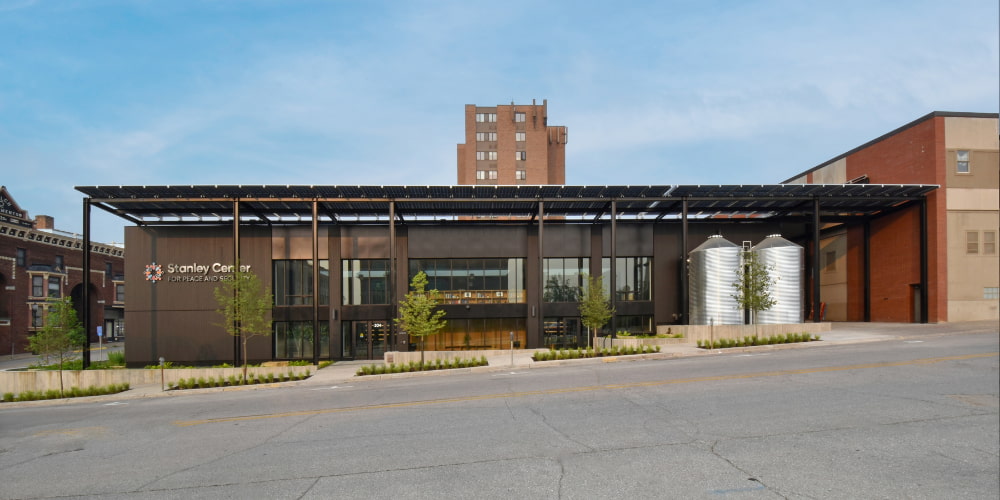
At the highest level, sustainability is the broadest goal. It encompasses environmental stewardship, social responsibility, and economic viability—ensuring that what we build today does not compromise future generations. It’s a mindset that considers the whole picture, both within the built environment and beyond. When project teams include sustainably minded partners, each discipline is more intentional about its role—understanding its individual impact and where it can contribute most to the long-term well-being of communities, businesses, and natural resources.
Within that sits decarbonization, which focuses specifically on reducing greenhouse gas emissions and is most closely tied to the technical decisions made within our industry. In the context of buildings, this means addressing the carbon impact associated with both how buildings are constructed (embodied carbon) and how they operate over time (operational carbon).
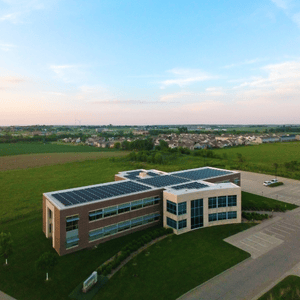
A key component of decarbonization, specifically operational carbon, is energy efficiency—the practice of reducing the amount of energy required to operate a building. A critical piece in the larger puzzle, it aligns closely with the economic viability and environmental stewardship components within sustainability, acting as a targeted action/specific strategy to accomplish these objectives within sustainability. In terms of economic viability, energy efficiency asks, “How can we do the same work (or more) with less?” It’s a concept that shows up in everyday life, tied to the age-old mantra to “work smarter, not harder”. Choosing a shorter commute, automating repetitive work, turning off unused lights, or using proper technique in exercise all reflect the same principle of energy efficiency—achieving the same results while using less effort and fewer resources. When it comes to environmental stewardship, energy efficient systems reduce energy use and greenhouse gas emissions, conserving natural resources and minimizing environmental impact.
The Two Sides of Decarbonization in Buildings
To fully understand decarbonization in the built environment, it helps to break it into two categories:
Embodied Carbon: This refers to emissions associated with the materials and construction processes used to create a building. From manufacturing equipment to transporting materials and installing systems, embodied carbon represents a significant—and often under-addressed—portion of a building’s total impact.
Operational Carbon: This includes emissions from energy used to heat, cool, ventilate, illuminate, and power buildings. Energy efficiency strategies—like high-performance systems, smart controls, and optimized building operations—play a major role here.
Where we make the Greatest Impact
Our influence spans both operational and embodied carbon, but our most direct and immediate impact as MEP engineers lies in operational carbon. System selection is one of the most consequential decisions in building design—shaping energy use and carbon emissions for the next 20 to 50 years. Choosing the right systems isn’t just about specifying high-efficiency equipment; it’s about making a long-term commitment to how a building will perform over its entire lifecycle. Thoughtful selection early in the design process can significantly reduce operational carbon before a building is even occupied.
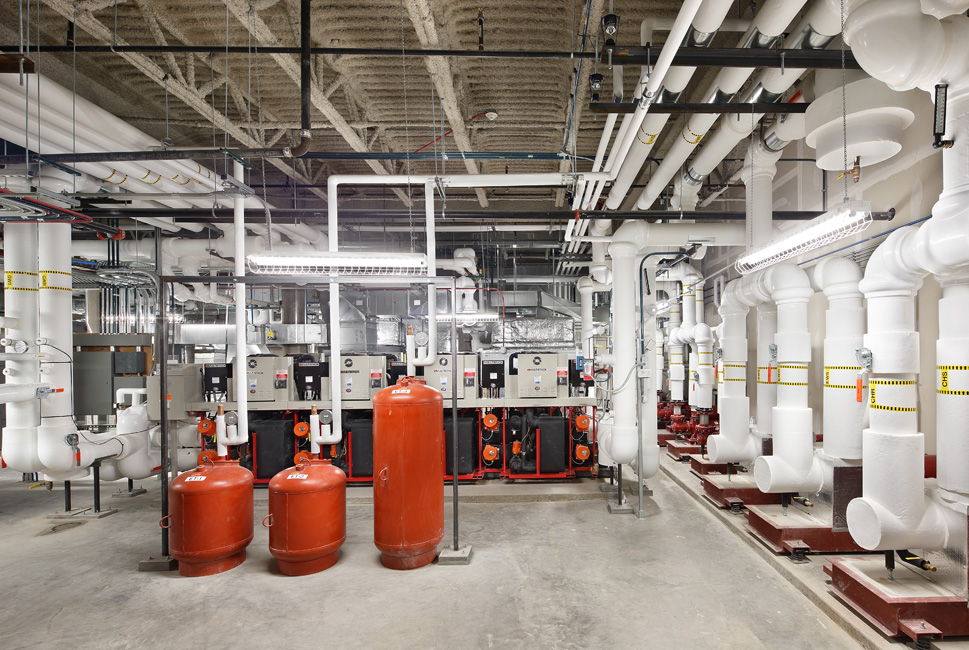
Just as important is how these systems are designed to operate. True efficiency comes from considering how equipment functions together as an integrated system—leveraging controls, sequencing, and overall system design to ensure everything works in harmony. When systems are properly coordinated and optimized, they can deliver meaningful, sustained reductions in energy use and emissions over time.
To support this approach, we’ve implemented internal processes to better evaluate project opportunities and align our work with decarbonization goals. The implications of these design decisions are also another reason why we committed to the MEP 2040 Challenge—an industry initiative focused on reducing both operational and embodied carbon across mechanical, electrical, and plumbing systems. Our commitment includes:
- Measurably reducing operational and embodied carbon across all MEP systems we design
- Requesting and prioritizing low-GWP refrigerants to minimize environmental impact
- Requesting Environmental Product Declarations (EPDs) to inform material selection
- Participating in MEP 2040 forums and discussion groups to collaborate and share knowledge across the industry
Behind the scenes, we are actively developing a company-wide roadmap to meet our MEP 2040 goals. This includes establishing benchmarks, defining metrics, and creating a framework to guide meaningful improvement across projects and teams.
This Earth Day and Beyond
Our work as building systems engineers is more than technical execution; it’s an opportunity to make a meaningful impact on the carbon footprint of every building we touch. By intentionally addressing both operational and embodied carbon, prioritizing energy efficiency, and aligning with initiatives like the MEP 2040 Challenge, we’re not just designing systems—we’re contributing to a more sustainable built environment for today and future generations. As we continue to refine our approach and share our insights, we aim to influence project teams to think critically about their impact and the role they can play in creating a healthier, more efficient, and resilient future this Earth Day and beyond.